
Professional Unarmed Security in Florida

Introduction

Finding professional unarmed security in Florida’s ten largest cities—Jacksonville, Miami, Tampa, Orlando, St. Petersburg, Hialeah, Port St. Lucie, Cape Coral, Tallahassee, and Fort Lauderdale—requires a structured and informed approach. Whether you are protecting an office, retail space, residential community, or special event, knowing how to identify qualified providers helps ensure safety, regulatory compliance, and a positive public image. By following the steps below, you can confidently evaluate and select reputable unarmed security companies across the state.

Research state licensing and local regulations

To begin, confirm that any security company or guard you consider complies with Florida licensing laws. The Florida Department of Agriculture and Consumer Services regulates private security, and guards must hold a valid Class D license for unarmed work. Additionally, each of the major cities may have local business licensing or permitting requirements. Verifying credentials through state databases and city business registries provides an essential foundation before moving forward.

Use local directories and industry associations

Next, leverage local directories and professional associations to build a list of candidates in each city. Chamber of Commerce websites in Miami, Tampa, Orlando, and the other large cities often feature member security firms. Furthermore, national and regional security industry associations maintain directories of vetted providers. Using these resources narrows your search to companies with an established presence and a commitment to professional standards.

Evaluate experience and specialization

Once you have a shortlist, evaluate each firm’s experience and areas of specialization. In high‑tourism cities like Orlando and Fort Lauderdale, you may need guards experienced in hospitality or event security. Meanwhile, in Jacksonville or Port St. Lucie, residential community or corporate campus protection may be more relevant. Request case studies or references from similar clients, and ask about guard turnover, supervision practices, and incident response protocols to gauge reliability.

Assess training standards and professionalism

Professional unarmed security hinges on robust training and consistent professionalism. Therefore, inquire about initial and ongoing training in topics such as de‑escalation, conflict resolution, customer service, report writing, and emergency procedures. Additionally, consider appearance and demeanor: reputable companies enforce uniform standards, clear communication protocols, and strict codes of conduct, which are especially important in visible roles in busy urban centers.

Compare technology and reporting capabilities

As you refine your options, compare the technology and reporting tools each company uses. Many firms in Florida’s largest cities now provide real‑time incident reporting, GPS patrol tracking, and digital daily activity logs. These technologies not only enhance accountability but also give property managers and business owners clear insight into guard performance and security trends over time.

Review contracts insurance and pricing

Before making a final choice, carefully review contract terms, insurance coverage, and pricing structures. Ensure the provider carries adequate general liability and workers’ compensation insurance, with appropriate limits for your risk profile. Moreover, clarify hourly rates, overtime policies, holiday coverage, and any additional fees. Transparent, itemized proposals help you compare value rather than simply choosing the lowest cost.

Conclusion

In summary, finding professional unarmed security across Florida’s ten largest cities involves more than a quick online search. By verifying licensing, using reputable directories, evaluating experience and training, examining technology capabilities, and scrutinizing contracts and insurance, you can select a provider that aligns with your security needs and organizational values. Taking this deliberate, informed approach helps ensure that the unarmed guards representing your business or property enhance both safety and public confidence.

Professional Unarmed Security Guard Services FAQ

What is a professional unarmed security guard?

A professional unarmed security guard is a trained security officer who protects people, property, and assets without carrying a firearm. They rely on observation, communication, de-escalation, and physical presence to deter crime, enforce rules, and respond to incidents. Unarmed guards are commonly used in commercial buildings, residential communities, retail environments, educational institutions, healthcare facilities, and events where a visible, approachable security presence is needed without the use of lethal weapons.

What does an unarmed security guard do on a daily basis?

An unarmed security guard’s daily duties typically include monitoring entrances and exits, conducting patrols, checking doors and windows, verifying IDs or access credentials, observing CCTV cameras, writing incident and daily activity reports, responding to alarms, assisting visitors and employees, enforcing site rules and regulations, reporting maintenance or safety hazards, and coordinating with law enforcement or emergency services when necessary. Their routine is tailored to the specific site’s security plan and risk profile.

How is an unarmed security guard different from an armed guard?

An unarmed security guard does not carry a firearm and focuses on prevention, observation, and de-escalation, while an armed guard is authorized and trained to carry a weapon and may be deployed in higher-risk environments. Unarmed guards are better suited for locations where a welcoming, low-profile presence is preferred, the risk level is moderate to low, or where firearms are not appropriate due to company policy, local regulations, or public perception. Armed guards typically require additional licensing, training, and insurance coverage, making them more costly and more tightly regulated than unarmed guards.

When should I choose unarmed security over armed security?

Unarmed security is appropriate when your primary goals are deterrence, access control, customer service, and incident reporting rather than armed response. You should generally choose unarmed guards for offices, retail stores, residential buildings, schools, houses of worship, medical clinics, corporate campuses, and events where a calm, approachable presence is favored and the risk of armed confrontation is low. Unarmed security is especially suitable when you want visible protection without creating anxiety among customers, employees, or residents. A professional security provider can help you conduct a site risk assessment to determine whether unarmed coverage is sufficient.

Are unarmed security guards effective at preventing crime?

Yes. Professional unarmed security guards are highly effective at deterring theft, vandalism, trespassing, and policy violations. Criminals and disruptive individuals prefer easy, low-risk targets, and the visible presence of a trained security officer significantly reduces the likelihood of incidents. Guards proactively monitor activity, recognize suspicious behavior, and intervene early through communication and enforcement of rules. They also coordinate with law enforcement and provide detailed reports, which further discourages repeat offenders and supports long-term security for your property or business.

What training do professional unarmed security guards receive?

Training requirements vary by state and company, but professional unarmed security guards typically receive instruction in basic security procedures, observation and reporting, emergency response, conflict resolution, de-escalation techniques, communication skills, access control, patrol methods, customer service, legal responsibilities, ethics, and in some jurisdictions, powers of arrest or detention. Many also receive training in first aid, CPR, fire safety, workplace violence prevention, and operating security technologies like CCTV and access control systems. Reputable security companies provide ongoing training and site-specific orientation for each account.

Do unarmed security guards need to be licensed or certified?

In most states and regions, unarmed security guards must obtain a security license or registration through a government agency. This often includes background checks, fingerprinting, minimum training hours, and sometimes exams. Some jurisdictions require state-issued guard cards, while others regulate security at the city or county level. In addition to governmental licensing, reputable security companies maintain their own training and vetting standards, and may require additional certifications such as first aid, CPR, or specialized site training before assigning a guard to your property or event.

Are your unarmed security guards background checked and screened?

Professional unarmed security guards are thoroughly screened before being assigned to client sites. A comprehensive pre-employment process typically includes criminal background checks, employment history verification, reference checks, eligibility to work verification, and in many cases, drug testing. Some clients request additional screening such as driving record reviews or credit checks for specific roles. The goal is to ensure that guards are trustworthy, reliable, and suitable for protecting your property, staff, and visitors in sensitive environments like offices, residential communities, and healthcare facilities.

What types of businesses use unarmed security guard services?

Unarmed security guard services are widely used across many industries, including office buildings, commercial properties, retail stores, shopping centers, hotels, residential communities, gated neighborhoods, schools, colleges, government facilities, warehouses, industrial sites, construction sites, hospitals, clinics, corporate campuses, religious institutions, and event venues. Any organization that wants a visible security presence, improved safety, and professional access control without weapons can benefit from unarmed security coverage tailored to its unique risk profile and operational needs.

Can unarmed security guards handle emergencies and crises effectively?

Unarmed security guards are trained to respond calmly and professionally to a wide range of emergencies, including medical incidents, fire alarms, disturbances, accidents, and security breaches. Their role is to assess the situation, notify appropriate authorities, follow established emergency protocols, guide building occupants to safety, secure the area, and document the incident. While they do not carry firearms, they are trained in de-escalation, communication, and coordination with law enforcement and emergency responders, ensuring quick and organized responses that prioritize safety and minimize disruption or damage.

Are unarmed security guards suitable for residential communities and HOAs?

Yes. Unarmed security guards are ideal for residential communities, apartment complexes, and homeowners associations because they provide a balance of safety, approachability, and customer service. Residents often prefer a friendly, non-intimidating security presence that can perform gatehouse duties, patrol the property, monitor amenities, enforce community rules, respond to noise or parking complaints, and assist visitors. Unarmed guards enhance residents’ sense of security, help reduce vandalism and theft, and support property management by documenting incidents and safety concerns without creating an overly militarized atmosphere.

How do unarmed guards help with access control and visitor management?

Unarmed guards manage access control by verifying identities, checking badges or passes, controlling building entrances, operating access control systems, issuing visitor credentials, and monitoring sign-in logs. At gatehouses and reception desks, they greet visitors, confirm appointments, enforce visitor policies, and coordinate with tenants or staff before granting entry. They also monitor delivery areas, loading docks, and parking lots to prevent unauthorized access. Their presence and professionalism improve both physical security and the visitor experience while reducing the risk of unauthorized entry and internal theft or workplace violence incidents.

What is the typical cost of hiring unarmed security guard services?

The cost of unarmed security guard services varies based on factors such as location, hours of coverage, number of guards, risk level, required training, union or non-union status, and any specialized duties. Rates are often billed hourly per guard and may be higher for overnight shifts, weekends, holidays, or short-term contracts. Unarmed services are generally more affordable than armed security due to lower licensing, insurance, and training costs. A professional security provider will assess your site, discuss your needs, and provide a customized quote that balances security requirements with your budget and service expectations.

Can I hire unarmed security guards for short-term or one-time events?

Yes. Many security companies offer unarmed guards for short-term engagements such as conferences, trade shows, concerts, private parties, community events, grand openings, and construction projects. Event security services can include crowd management, access control, VIP protection support, parking management, bag checks, and emergency response planning. It is best to book event security well in advance so the provider can conduct a site walk-through, develop a security plan, and schedule enough trained guards to cover all entrances, exits, and high-traffic or high-risk areas throughout your event timeline.

Do unarmed security guards write incident and daily activity reports?

Professional unarmed security guards are responsible for documenting their observations, activities, and any incidents that occur during their shifts. Daily activity reports summarize patrols, visitor interactions, alarm responses, safety hazards, and any unusual occurrences. Incident reports provide detailed accounts of specific events such as thefts, disturbances, accidents, or policy violations. These reports are valuable for management, risk mitigation, insurance claims, legal proceedings, and improving your overall security program. Many companies use digital reporting systems, enabling real-time access and analytics for clients and security supervisors.

Can unarmed guards detain or arrest individuals on my property?

The authority of unarmed security guards to detain individuals depends on local laws and the specific situation. In many jurisdictions, guards have no more legal authority than private citizens, but can perform a citizen’s arrest or temporary detention when a crime is committed in their presence and when it is safe and lawful to do so. Their primary role is to observe, report, and call law enforcement. Reputable security providers train guards to follow strict protocols, prioritize safety, avoid unnecessary physical confrontation, and always operate within the boundaries of applicable laws and the client’s policies and procedures.

How do unarmed security guards handle conflicts and confrontations without weapons?

Unarmed security guards rely on training in communication, de-escalation, and conflict resolution to manage confrontations. They use calm, respectful dialogue, non-threatening body language, and clear instructions to defuse tension and encourage voluntary compliance. Guards are trained to recognize early warning signs of aggression, maintain safe distances, request backup, and involve supervisors or law enforcement as needed. Their goal is to resolve issues peacefully, protect people and property, and avoid physical force whenever possible. Proper training and clear post orders ensure that guards respond consistently and safely to difficult situations on your property or at your event.

Will unarmed security guards interact with my customers and visitors professionally?

Professionalism and customer service are central to unarmed security guard roles. Guards are typically the first and last people your customers, tenants, or visitors see, so they receive training in courteous communication, conflict resolution, and cultural sensitivity. They greet visitors, provide directions, answer basic questions, and assist those who need help while still maintaining a firm, authoritative presence when enforcing rules and policies. Choosing a security provider that emphasizes customer service ensures that your guard team supports both safety and a positive brand image for your business or property at all times.

Can unarmed guards monitor CCTV cameras and security systems for my site?

Yes. Many unarmed security guards are trained to operate and monitor CCTV systems, access control platforms, alarm panels, and other electronic security tools. A guard stationed in a security control room can watch live camera feeds, respond to alarms, track building access events, and dispatch patrols to investigate suspicious activity. Combining on-site guards with technology provides a layered security approach that increases coverage, improves response times, and supports incident investigations with recorded video and digital access logs. Your security provider can customize guard duties to align with your existing security systems and infrastructure.

Are unarmed security guards insured and bonded by your company?

Reputable security companies carry general liability insurance, workers’ compensation coverage, and often additional policies related to professional liability and dishonesty bonds. These coverages help protect clients against financial loss arising from covered incidents involving security personnel while on duty. The specific limits and types of insurance vary by provider, so you should request proof of insurance and verify coverages before signing a contract. Proper insurance, combined with strong hiring standards and supervisor oversight, significantly reduces your risk exposure when using unarmed security guard services for your business or property.

How many unarmed guards do I need for my property or event?

The number of unarmed guards you need depends on the size and layout of your property, the number of access points, operating hours, foot and vehicle traffic, risk level, previous incident history, and your specific security goals. For events, factors include crowd size, alcohol service, VIP presence, parking complexity, and local permitting requirements. A professional security company will usually conduct a site assessment or review floor plans with you to recommend an appropriate staffing level, post locations, patrol routes, and coverage schedule that provide adequate security without unnecessary expense or redundancy.

Can unarmed security guards provide 24/7 coverage at my location?

Unarmed security guard services can be scheduled for any coverage schedule you require, including 24 hours a day, 7 days a week. Around-the-clock protection is common for residential communities, corporate campuses, warehouses, critical infrastructure, and facilities that operate outside regular business hours. To maintain consistent quality, security providers schedule overlapping shifts, supervision, and backup guards to cover absences. They also implement clear post orders, communication protocols, and reporting procedures so that every guard on every shift follows the same standards and understands specific site expectations and emergency response plans.

Do unarmed guards receive site-specific training before starting on my property?

Professional security providers deliver site-specific training and orientation before placing unarmed guards on your property. This typically includes reviewing post orders, emergency procedures, building layouts, key and access control protocols, visitor and vendor policies, reporting requirements, and any special risks or sensitive areas. Guards may shadow experienced officers during initial shifts to learn site routines. This customized training ensures that each guard understands your expectations, company culture, and unique operational needs, resulting in a more effective, consistent, and seamless security presence from the first day on site.

How do I know if my current unarmed security program is effective enough?

Evaluating the effectiveness of your unarmed security program involves reviewing incident rates, response times, tenant or employee feedback, compliance with procedures, and the quality of reports and communication from guards and supervisors. Signs of an effective program include reduced theft, vandalism, and unauthorized access; timely and detailed incident reporting; visible, professional guards; and positive feedback from stakeholders. Security providers can conduct risk assessments, security audits, and periodic reviews to identify gaps and recommend improvements such as adjusting guard posts, revising procedures, or integrating technology to strengthen overall security performance and return on investment.

What kind of supervision and management do unarmed guards have on duty?

Effective unarmed security programs rely on strong supervision and management. Field supervisors conduct site visits, inspect posts, evaluate guard performance, and address operational issues. Many companies use electronic tour verification and GPS tracking to confirm patrols are completed as scheduled. Supervisors also provide ongoing coaching, handle scheduling, and serve as liaisons between clients and security staff. Regular meetings, performance reviews, and quality assurance checks ensure guards adhere to post orders, maintain professional appearance and conduct, and respond appropriately to incidents, which leads to a more reliable and consistent security service for your property or event.

Can unarmed security guards assist with fire safety and evacuations?

Unarmed security guards often play an important role in fire safety and emergency evacuation procedures. They receive training in recognizing fire hazards, responding to fire alarms, notifying emergency services, and following your building’s fire safety plan. During an evacuation, guards help direct occupants to exits, prevent re-entry into unsafe areas, assist individuals with mobility challenges, and help account for occupants at assembly points. They also secure the site after an incident and document events for follow-up. Integrating guards into your fire drills and emergency preparedness planning enhances overall life safety for your facility or community.

Do unarmed security guards receive first aid or CPR training?

Many professional unarmed security guards receive basic first aid and CPR training, and some hold certifications from recognized organizations. This training enables them to provide immediate assistance during medical emergencies until paramedics arrive. Their responsibilities may include assessing the situation, performing CPR or basic first aid within their training limits, using automated external defibrillators where available, and keeping the area safe and clear for emergency responders. When selecting a security provider, you can request guards with up-to-date first aid and CPR certifications, especially for sites with large populations or higher health and safety risks, such as public venues or industrial facilities.

Are unarmed guards suitable for retail loss prevention and shoplifting deterrence?

Unarmed security guards are widely used in retail environments to deter shoplifting, manage crowds, and enhance overall safety. Their visible presence at entrances, exits, and sales floors discourages theft and disruptive behavior. Guards can monitor surveillance cameras, observe suspicious activity, enforce store policies, and coordinate with store management and law enforcement when necessary. While they may not physically apprehend suspects in every case, their presence and documentation of incidents significantly reduce shrinkage and support your store’s loss prevention strategies without creating an intimidating environment for legitimate customers and staff members.

What is the process for starting unarmed security guard service at my location?

Launching unarmed security guard service typically begins with an initial consultation where you discuss your property, operations, concerns, and goals. The security provider may conduct a site assessment or review floor plans to identify access points, high-risk areas, and coverage needs. They will then propose a security plan outlining guard posts, patrol routes, hours of service, and reporting procedures. After you approve the scope and contract, the company assigns and trains guards, creates site-specific post orders, and schedules a start date. Ongoing communication and periodic reviews help fine-tune the service and ensure your evolving security needs continue to be met effectively.

Can unarmed security guards enforce my company’s policies and rules on site?

Unarmed security guards can enforce your company’s policies and property rules within the scope of their authority and your written post orders. They help ensure compliance with access control rules, visitor procedures, parking regulations, smoking areas, dress codes or ID display requirements, and other site-specific policies. Guards use verbal instructions, written warnings, documentation, and escalation to management to address violations. While they do not replace HR or management responsibilities, they act as your front line in promoting a safe, orderly environment that supports your company’s standards and reduces liability related to unsafe or prohibited behaviors on your premises.

How quickly can unarmed security services be deployed to my site in an emergency?

Response times for deploying unarmed security guards depend on your location, staffing levels, and the security provider’s resources. For urgent needs such as emergencies, sudden threats, or incidents requiring immediate coverage, some companies can provide temporary guards within a few hours, especially in major metropolitan areas. However, best results come from planning ahead whenever possible so guards can receive site-specific training before deployment. During emergencies, providers may use mobile patrol units or on-call guards to stabilize the situation until a full security plan and dedicated staffing can be implemented for longer-term coverage of your property or facility.

Do unarmed security guards wear uniforms, and can they be customized for my brand?

Unarmed security guards typically wear professional uniforms that clearly identify them as security personnel. Uniform styles can range from traditional security attire to more corporate or concierge-style clothing, depending on the environment. Many security providers offer options that complement your brand image and building aesthetics, including branded patches, badges, or color schemes that align with your company’s identity. A well-designed uniform enhances visibility, authority, and professionalism while reinforcing your organization’s commitment to safety and customer service for employees, residents, and visitors at your site or event location.

Can unarmed guards provide front desk and concierge-style services in addition to security?

Many unarmed security guards are cross-trained to perform front desk and concierge-style duties while maintaining their core security responsibilities. In office buildings, residential high-rises, and hotels, guards often greet visitors, sign in guests, manage deliveries, answer phones, provide directions, and assist with simple administrative tasks. This combined role enhances the overall guest experience and reduces staffing costs by integrating customer service and security functions. Clear post orders define which non-security tasks are appropriate so that the guard’s primary focus on safety, access control, and incident response is maintained at all times during their shift on your property.

Are unarmed security guard services appropriate for schools and educational campuses?

Unarmed security guard services are commonly used in K–12 schools, colleges, and universities where a protective yet approachable presence is important. Guards help control access to buildings, monitor parking lots and common areas, respond to disturbances or safety concerns, assist with visitor and vendor management, and support emergency drills. Their focus on relationship-building, observation, and de-escalation aligns well with educational settings, where maintaining a positive, supportive atmosphere is as vital as having robust security. Many institutions prefer unarmed guards to reduce the perceived militarization of campuses while still prioritizing student and staff safety through professional security measures and planning.

What is included in a typical unarmed security guard contract or service agreement?

A typical unarmed security guard service agreement outlines the scope of work, number of guards, hours and days of coverage, guard duties and responsibilities, report formats, supervision structure, billing rates, overtime policies, uniform requirements, insurance coverage, termination terms, and any performance standards or key performance indicators. It may also address confidentiality, incident escalation procedures, post orders, and equipment to be supplied by the client or security company. Reviewing and customizing this agreement with your provider helps ensure that both parties have clear expectations and that the security program is aligned with your operational, legal, and budgetary requirements from the outset of service implementation.

How do unarmed security guards contribute to workplace violence prevention programs?
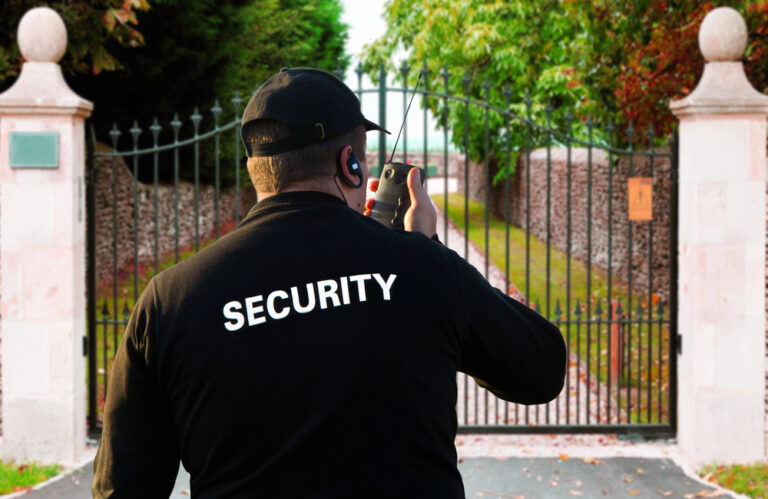
Unarmed security guards support workplace violence prevention by maintaining a strong, visible presence, monitoring for early warning signs of conflict, enforcing access control, and responding quickly to threats or disturbances. They are often trained to recognize suspicious behavior, escalating conflict, and warning signs of potential violence. Guards document incidents, intervene using de-escalation techniques, and coordinate with management, HR, and law enforcement as needed. Integrating guards into your overall workplace violence policy and training program strengthens communication channels, increases reporting, and demonstrates a proactive commitment to the safety and well-being of employees, contractors, and visitors at your facilities.