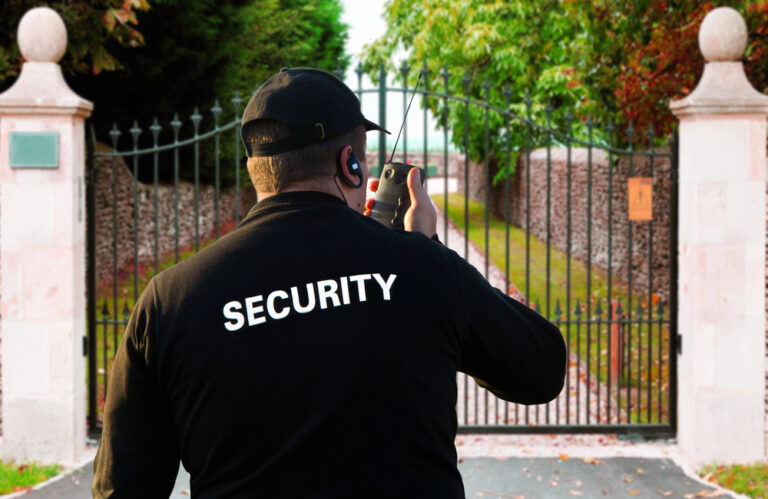
Corporate Office Unarmed Security in New York
Introduction
Finding reliable corporate office unarmed security in New York’s largest cities is critical for protecting employees, assets, and brand reputation. From New York City to smaller urban hubs like Utica and Binghamton, organizations must navigate a competitive security market, varied local regulations, and different risk profiles. By following a structured approach, companies can identify reputable providers that deliver professional, customer‑focused protection tailored to their specific needs.
Identify your corporate security needs
Begin by assessing your office environment, hours of operation, and visitor volume. In New York City, for example, a high‑rise headquarters in Manhattan may require lobby access control, visitor management, and elevator monitoring, while in cities like Yonkers or Albany, security might focus more on perimeter patrols and after‑hours coverage. Clearly defining whether you need front‑desk officers, roving patrols, or reception‑security hybrids will streamline your search and help vendors propose accurate solutions.
Focus on the ten largest cities
New York’s ten largest cities—New York City, Buffalo, Rochester, Yonkers, Syracuse, Albany, New Rochelle, Mount Vernon, Schenectady, and Utica—host a wide range of licensed security firms. As you move from one city to another, pay attention to local business districts and corporate parks, since many specialized office security providers cluster in these areas. Moreover, cross‑city firms may offer standardized service levels if your company operates multiple offices statewide.
Verify licensing and compliance
Next, verify that every potential provider is properly licensed through the New York State Department of State, Division of Licensing Services. Unarmed security officers must hold valid security guard registrations and complete state‑mandated training. In larger markets such as New York City and Buffalo, confirm additional local requirements, including any city‑specific ordinances covering background checks or workplace safety. Verifying compliance early helps reduce liability and demonstrates a provider’s commitment to professionalism.
Use referrals directories and industry networks
To locate candidates, leverage multiple channels. Start with referrals from building management companies, commercial real estate brokers, and neighboring tenants, especially in major hubs like Midtown Manhattan, downtown Rochester, and Albany’s government district. Supplement these leads with searches on industry directories, business associations, and local chambers of commerce in all ten cities. Additionally, professional networks on platforms such as LinkedIn can be useful for identifying firms that specialize in corporate office environments rather than general event or retail security.
Evaluate experience training and technology
Once you have a short list, evaluate each firm’s experience with corporate offices similar in size and risk profile to yours. Ask about recruitment standards, ongoing training in customer service and conflict de‑escalation, and familiarity with access control systems commonly used in large New York office buildings. Furthermore, inquire about their use of technology, including incident reporting software, visitor management integration, and remote supervision tools, all of which are increasingly important in multi‑tenant buildings across cities like Syracuse, Schenectady, and Utica.
Request proposals and conduct site walkthroughs
Before making a decision, invite selected firms to conduct on‑site assessments at your office. In these walkthroughs, they should identify vulnerabilities, recommend post orders, and propose staffing levels tailored to local conditions, whether in busy downtown Buffalo or quieter corporate parks in New Rochelle or Mount Vernon. Request written proposals that include pricing, supervision structure, response protocols, and performance metrics. Reviewing these side by side allows you to compare value rather than focusing solely on hourly rates.
Check references and performance history
Finally, ask for references from current or former corporate clients in your city or another of the ten largest cities. Speak directly with facility managers about officer reliability, professionalism, and responsiveness to incidents. Pay attention to how the provider handles schedule coverage, last‑minute changes, and ongoing communication with client stakeholders. Selecting a firm with a documented track record of consistent performance is especially vital in high‑profile business districts, where service lapses quickly become visible.
Conclusion
In summary, finding the right corporate office unarmed security provider in New York’s largest cities requires a methodical process that combines needs assessment, regulatory verification, targeted research, and thorough vetting. By focusing on licensing, relevant corporate experience, training quality, and reliable client feedback across New York City, Buffalo, Rochester, Yonkers, Syracuse, Albany, New Rochelle, Mount Vernon, Schenectady, and Utica, organizations can secure professional protection that supports safety, productivity, and long‑term business resilience.
[unarmedsecurityguardservicecom-ai instructions=”please write a seo optimized faq for the topic in the unarmed security guard service space” content_type=”faq” limit=”250″ language=”en” temperature=”1″ top_p=”1″ ignore_errors=”0″]Corporate Office Unarmed Security[/unarmedsecurityguardservicecom-ai]