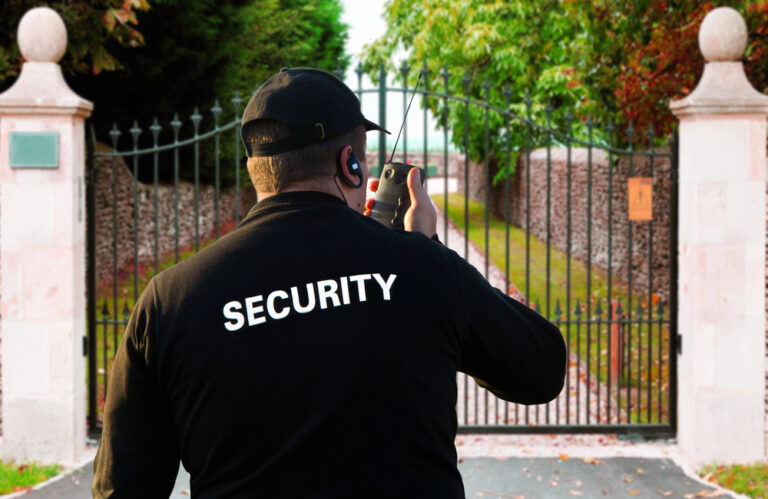
Hospital and Healthcare Security (Unarmed) in Idaho
Introduction
Finding reliable unarmed hospital and healthcare security in Idaho’s largest cities requires understanding both regulatory standards and local resources. As healthcare facilities in Boise, Meridian, Nampa, Idaho Falls, Pocatello, Caldwell, Coeur d’Alene, Twin Falls, Post Falls, and Lewiston continue to grow, so does the need for professional, patient‑centered security services. By following a structured approach, administrators and decision‑makers can identify providers that align with clinical priorities, regulatory requirements, and community expectations.
Identify your security needs
To begin, clearly define what your facility requires from unarmed security personnel. In hospitals and clinics, officers typically focus on access control, visitor management, de‑escalation, and emergency response support rather than physical force. Therefore, assess your risk profile, patient population, and operating hours in each city. For example, a large trauma center in Boise may need 24/7 coverage at multiple entrances, while a smaller specialty clinic in Lewiston might only require daytime lobby coverage and parking lot patrols.
Research licensed providers in Idaho
Next, research security companies that are properly licensed and insured in Idaho. State licensing databases and the Idaho Bureau of Occupational Licenses can help verify business status and any disciplinary history. In major urban areas like Meridian and Nampa, you will typically find national security firms alongside regional providers. Review each company’s website for healthcare experience, unarmed service offerings, and adherence to Health Insurance Portability and Accountability Act (HIPAA) privacy expectations.
Use local healthcare networks
Professional networks in each city are valuable resources. Hospital associations and regional healthcare coalitions in Idaho Falls, Pocatello, and Twin Falls often share vendor recommendations and lessons learned. Furthermore, reaching out to security or facilities directors at peer institutions in Coeur d’Alene, Caldwell, Post Falls, and other major cities can yield candid feedback on response times, officer professionalism, and integration with clinical teams.
Evaluate training and capabilities
When narrowing your options, carefully evaluate each provider’s training programs. Unarmed hospital security should receive instruction in crisis intervention, behavioral health de‑escalation, customer service, and basic first aid, in addition to standard security procedures. Ask for documentation of ongoing training hours and certifications. Additionally, inquire how officers handle sensitive areas such as emergency departments, neonatal units, and behavioral health wings, as these are common across larger Idaho cities.
Conduct site specific assessments
Before final selection, request that prospective vendors conduct on‑site assessments at your facilities. This allows them to understand unique floor plans, campus layouts, and neighborhood conditions in cities like Boise or Coeur d’Alene. In turn, you can evaluate their ability to propose tailored post orders, patrol routes, and communication protocols. During these visits, observe how representatives engage with staff and whether they demonstrate an understanding of patient dignity and privacy.
Check references and performance metrics
Finally, confirm performance through references and measurable criteria. Ask for client references specifically from hospitals or large clinics in Idaho’s major cities. Seek information on incident response times, report quality, staff turnover, and collaboration with local law enforcement. A provider that can demonstrate low complaint rates, consistent staffing, and strong relationships with Boise or Pocatello police departments is more likely to deliver dependable service.
Conclusion
In summary, finding suitable unarmed hospital and healthcare security in Idaho’s ten largest cities involves a deliberate, evidence‑based process. By clarifying needs, verifying licensure, leveraging local healthcare networks, assessing training, and validating performance, organizations can identify partners that enhance safety while supporting a healing environment. With the right unarmed security provider, healthcare facilities across Idaho can protect patients, staff, and visitors without compromising compassion or care quality.
[unarmedsecurityguardservicecom-ai instructions=”please write a seo optimized faq for the topic in the unarmed security guard service space” content_type=”faq” limit=”250″ language=”en” temperature=”1″ top_p=”1″ ignore_errors=”0″]Hospital and Healthcare Security (Unarmed)[/unarmedsecurityguardservicecom-ai]