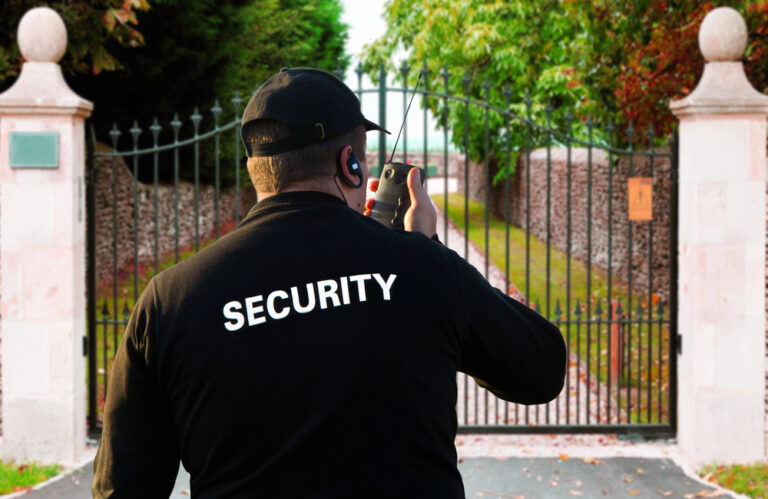
School and Campus Unarmed Security in Michigan
Introduction
Finding reliable school and campus unarmed security in Michigan’s largest cities is essential for creating safe learning environments. From Detroit and Grand Rapids to Ann Arbor and Lansing, administrators and decision-makers must navigate a range of providers, regulations, and best practices. By following a structured approach, schools and campuses can identify qualified unarmed security partners who align with their safety goals, budgets, and community values.
Identify security needs and objectives
The process begins with clearly defining security needs. Schools should assess campus size, number of access points, hours of operation, and existing safety challenges such as traffic control, visitor management, or event coverage. In large cities like Detroit, Warren, and Sterling Heights, this assessment often includes coordinating with local law enforcement. Clarifying whether security officers will handle patrols, monitoring entrances, or supporting emergency procedures helps guide provider selection and contract terms.
Research licensed security companies
Next, it is crucial to identify licensed security companies operating in Michigan’s major urban centers, including Grand Rapids, Ann Arbor, Lansing, and Flint. Administrators can begin by consulting the Michigan Department of Licensing and Regulatory Affairs (LARA) to verify that providers hold current licenses and meet state requirements. Additionally, reviewing company websites, service descriptions, and years of experience in school and campus settings helps narrow down qualified candidates.
Evaluate training and unarmed security expertise
Because the focus is on unarmed security, it is important to evaluate officer training in nonlethal methods, de-escalation, conflict resolution, and rapport-building with students and staff. Cities such as Dearborn and Livonia, which host diverse school communities, particularly benefit from officers trained in cultural competence and youth engagement. Requesting documentation of training curricula, certifications, and ongoing professional development ensures that guards are prepared to operate safely and respectfully on campus.
Leverage local networks and references
To further refine the search, schools should use local networks and references in each of the ten largest Michigan cities. Reaching out to neighboring districts, charter schools, community colleges, and universities in locations such as Detroit, Grand Rapids, and Ann Arbor can provide insight into which firms are reliable, responsive, and effective. Asking for references and case studies from similar institutions offers a clearer picture of a company’s performance and adaptability.
Conduct interviews and on site assessments
Once a shortlist is created, administrators should interview security firms and request on-site assessments. During these visits, providers can analyze building layouts, parking areas, and high-traffic zones in cities like Lansing, Flint, and Warren. This step allows schools to compare proposed staffing levels, patrol routes, and technology integrations such as cameras or access control systems. Transparent discussions about incident reporting, communication protocols, and coordination with local police departments are also essential.
Review contracts costs and compliance
Before making a final decision, schools must carefully review contracts, pricing structures, and regulatory compliance. Comparing bids from multiple providers across cities like Sterling Heights, Dearborn, and Livonia ensures competitive pricing without sacrificing quality. Contracts should clearly define duties, supervision, performance standards, and liability coverage. Furthermore, confirming compliance with state laws, insurance requirements, and school board policies protects both the institution and the security company.
Conclusion
Finding school and campus unarmed security in Michigan’s ten largest cities requires a deliberate, research-driven approach. By assessing security needs, verifying licenses, evaluating training, leveraging local references, and conducting thorough interviews and site assessments, administrators can select partners who support safe, welcoming learning environments. Ultimately, thoughtful planning and careful vetting help ensure that unarmed security officers enhance safety while maintaining the educational mission at the forefront.
[unarmedsecurityguardservicecom-ai instructions=”please write a seo optimized faq for the topic in the unarmed security guard service space” content_type=”faq” limit=”250″ language=”en” temperature=”1″ top_p=”1″ ignore_errors=”0″]School and Campus Unarmed Security[/unarmedsecurityguardservicecom-ai]