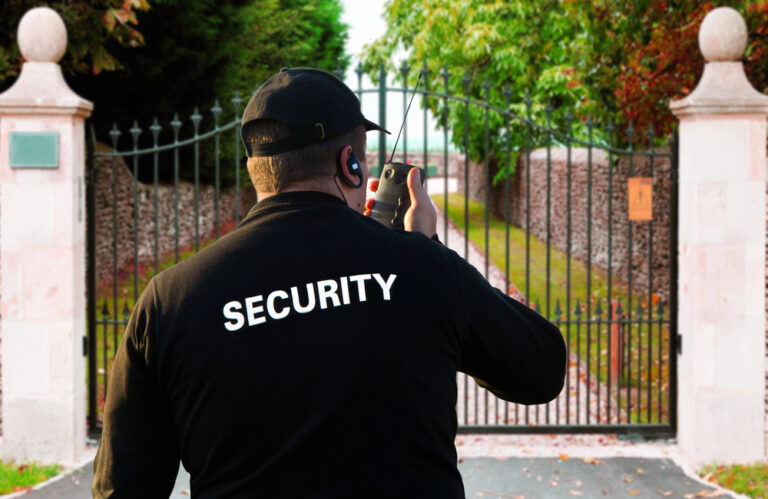
Licensed Unarmed Security Guards in Ohio
Introduction
Finding reliable licensed unarmed security guards in Ohio’s largest cities is essential for businesses, residential communities, and event organizers seeking to enhance safety without the presence of firearms. Because each city has its own market, regulations, and available vendors, a structured approach helps ensure you hire qualified professionals who meet state licensing standards and your specific security needs.
Understand Ohio licensing requirements
To begin, it is important to understand that in Ohio, security guard companies must be licensed by the Ohio Department of Public Safety’s Private Investigator Security Guard Services (PISGS) division. Unarmed guards typically work under a licensed security company, which is responsible for training, background checks, and compliance. Before you search in any city—such as Columbus, Cleveland, Cincinnati, Toledo, Akron, Dayton, Parma, Canton, Youngstown, or Lorain—verify that any firm you consider holds an active PISGS license.
Use state and local directories
Next, leverage official and reputable directories. The PISGS online database allows you to search for licensed security providers by company name or region, which covers all ten of Ohio’s largest cities. Additionally, local Chambers of Commerce, city business directories, and regional trade associations often maintain lists of vetted security firms. By starting with these resources, you significantly reduce the risk of working with an unlicensed or unqualified provider.
Search within each major city
Once you have a list of licensed companies, refine your search city by city. In Columbus, Cleveland, and Cincinnati, look for firms with substantial local presence and experience in environments similar to yours, such as office parks or entertainment districts. In mid-sized cities like Toledo, Akron, and Dayton, focus on providers familiar with industrial, healthcare, or university settings. Meanwhile, in Parma, Canton, Youngstown, and Lorain, prioritize companies that understand neighborhood-specific concerns, including retail theft prevention or residential patrols.
Evaluate training and specialization
After identifying potential firms, evaluate their training programs and service offerings. Ask whether their unarmed guards receive instruction in de-escalation, conflict resolution, customer service, and emergency response. Confirm that background checks and drug screenings are standard practice. Additionally, determine whether the company can tailor guard duties to your needs, such as access control, visitor screening, or mobile patrols across larger properties.
Compare proposals and check references
Then, request written proposals from multiple providers across the cities you are considering. Compare not only hourly rates, but also supervision structure, reporting procedures, insurance coverage, and contract flexibility. Equally important, ask for references from clients in the same or nearby city so you can assess reliability and professionalism. Speaking with current or former clients in Columbus or Cleveland, for example, can reveal how guards perform under real-world conditions and how responsive management is to concerns.
Conclusion
In summary, finding licensed unarmed security guards in Ohio’s ten largest cities requires understanding state regulations, using official directories, and carefully evaluating local providers. By methodically verifying licenses, comparing training standards, and checking references, you can confidently select a security partner that enhances safety while aligning with your organization’s culture and risk profile, no matter which Ohio city you operate in.
Licensed Unarmed Security Guards FAQ
This comprehensive FAQ covers the most common questions about licensed unarmed security guards, including training, licensing, job duties, legal requirements, costs, and best practices for hiring professional unarmed security services for businesses, events, residential communities, and more.
What is a licensed unarmed security guard?
A licensed unarmed security guard is a trained security professional who has completed state-required training and licensing to provide protection and safety services without carrying a firearm. They focus on deterrence, observation, reporting, access control, and customer service to help prevent crime and manage security risks at client sites.
What does an unarmed security guard do on duty?
Unarmed security guards monitor premises, control access points, verify identities, conduct patrols, observe and report suspicious activity, respond to incidents, maintain security logs, assist visitors and employees, enforce site rules, support emergency procedures, and coordinate with law enforcement or emergency services when needed, all without carrying a firearm.
What is the difference between armed and unarmed security guards?
Armed security guards are authorized to carry firearms and receive specialized weapons training, while unarmed security guards do not carry guns and focus on non-lethal security methods. Unarmed guards emphasize prevention, visibility, de-escalation, observation, reporting, and customer service, making them ideal for low to moderate risk environments such as offices, retail stores, residential buildings, and events.
Are unarmed security guards effective without weapons?
Yes, unarmed security guards are highly effective in many situations. Their visible presence deters crime, and their training in observation, communication, de-escalation, and emergency response reduces security risks. Most businesses do not require firearms on site and benefit more from professional, approachable guards who can calmly manage incidents and coordinate with police when necessary.
When should a business choose unarmed security over armed security?
A business should choose unarmed security when it operates in a low to moderate risk environment, prioritizes a welcoming atmosphere, wants to avoid the liability of firearms, or primarily needs access control, policy enforcement, loss prevention, and customer service. Office buildings, retail stores, corporate campuses, residential communities, schools, and most events are well suited for unarmed guards.
What training do licensed unarmed security guards receive?
Licensed unarmed security guards typically receive state-approved training that covers legal authority and limitations, report writing, observation skills, emergency procedures, basic first aid and CPR, communication, conflict resolution, de-escalation, ethics, professional conduct, workplace violence awareness, and sometimes specialized training for specific industries such as healthcare, retail, or residential security.
Do unarmed security guards need a license in every state?
Most states require unarmed security guards to be licensed or registered through a state regulatory agency. Requirements vary, but commonly include background checks, minimum training hours, fingerprinting, and ongoing renewals. Some states have exemptions for in-house proprietary guards, but reputable security providers ensure guards comply with all local and state licensing regulations wherever they operate.
How long does it take to become a licensed unarmed security guard?
The time to become a licensed unarmed security guard depends on state requirements, but it often ranges from a few days to several weeks. Initial training may require 8 to 40 hours or more, followed by background checks and state processing. Many applicants can complete training and obtain a temporary or full license within two to four weeks, depending on processing times.
What are the legal requirements to work as an unarmed security guard?
Legal requirements typically include being at least 18 years old, having a clean or acceptable criminal record, completing state-approved training, passing a background check, being legally authorized to work, and obtaining a state security guard license or registration. Some states may also require drug testing, fingerprinting, or ongoing continuing education to maintain the security guard license.
Can unarmed security guards detain people?
Unarmed security guards do not have the same authority as police officers. In many jurisdictions, they may perform a limited citizen’s arrest or temporary detention when they directly witness a crime such as theft, depending on local laws. Their primary role is to observe, report, and contact law enforcement. Professional guards are trained to prioritize safety and follow strict company and legal protocols when dealing with suspects.
Where are unarmed security guard services commonly used?
Unarmed security services are widely used in office buildings, retail stores, shopping centers, schools, universities, hotels, residential communities, gated communities, warehouses, corporate campuses, medical facilities, churches, parking facilities, construction sites, and special events such as conferences, festivals, and private gatherings where a non-intimidating security presence is preferred.
How much does it cost to hire an unarmed security guard service?
The cost to hire an unarmed security guard varies by location, risk level, hours required, and experience of the guards. Hourly rates are typically lower than armed security and can range from entry-level pricing to higher rates for specialized sites or 24/7 coverage. Requesting a site-specific quote from a licensed security company is the best way to understand exact pricing for your security needs.
Are unarmed security guards trained in de-escalation techniques?
Most reputable security companies train unarmed guards extensively in verbal de-escalation and conflict resolution. Guards learn how to remain calm, communicate respectfully, set boundaries, and diffuse potentially volatile situations using non-physical methods whenever possible. De-escalation training is a core component of modern unarmed security services and essential for maintaining safety without weapons.
What is the role of an unarmed security guard at a corporate office building?
At a corporate office building, unarmed security guards typically manage visitor check-in, issue badges, monitor access control systems, patrol common areas, respond to alarms, escort employees when requested, enforce building policies, support fire and emergency drills, provide directions, and serve as the first point of contact for any security or safety concerns within the property.
How do unarmed security guards help reduce theft and shoplifting in retail stores?
Unarmed security guards deter theft by maintaining a visible presence, greeting customers at entrances, monitoring sales floors and fitting rooms, observing suspicious behavior, coordinating with store staff, checking receipts when authorized, and promptly reporting incidents. Their presence alone often discourages shoplifting, and their documentation helps retailers work with law enforcement when necessary.
Do unarmed security guards perform access control and ID badge checks?
Yes, access control is one of the primary responsibilities of unarmed security guards. They verify employee and visitor identification, issue and collect temporary badges, manage visitor logs, monitor turnstiles and entry doors, ensure only authorized individuals enter restricted areas, and follow site-specific access procedures to protect people, property, and sensitive information.
Can unarmed security guards respond to medical emergencies on site?
Many unarmed security guards are trained in basic first aid, CPR, and the use of automated external defibrillators. While they are not paramedics, they can provide initial assistance, secure the scene, call 911, direct emergency responders to the location, and help keep bystanders calm and safe until medical professionals arrive, following company and site protocols.
Are unarmed security guards responsible for monitoring security cameras and alarms?
Yes, in many facilities unarmed guards monitor CCTV systems, access control software, intrusion alarms, and fire alarm panels. They watch live feeds, review recordings when needed, respond to alarms, investigate suspicious activity, document incidents, and notify management or emergency services according to established procedures. This proactive monitoring helps identify security issues before they escalate.
Do unarmed security guards write incident reports and daily activity logs?
Accurate documentation is a critical part of unarmed security work. Guards maintain detailed daily activity reports, log visitors and deliveries, record unusual events, and complete incident reports whenever there is a security or safety concern. These records support internal investigations, insurance claims, regulatory compliance, and communication between shifts and with the client.
How do unarmed security guards handle trespassers or unauthorized visitors?
Unarmed security guards are trained to approach trespassers calmly, verify their purpose on the property, explain site rules, and request that unauthorized individuals leave. If a person refuses, guards follow company policy, which may include contacting law enforcement, documenting the incident, and avoiding physical confrontation unless necessary for safety. The goal is safe, professional resolution with minimal disruption.
Are licensed unarmed security guards background checked and drug tested?
Most states require criminal background checks for security guard licensing, and reputable security companies also perform their own vetting. Many providers use drug screening during hiring and may conduct random tests, especially for sensitive sites. Clients can request specific screening requirements in their contracts to ensure guards meet their security and compliance standards.
Can unarmed security guards work in high-rise residential buildings and condos?
Unarmed guards are commonly deployed in high-rise residential buildings, condominiums, and apartment complexes. Typical duties include lobby access control, monitoring elevators and parking areas, enforcing community rules, responding to noise complaints, assisting residents and guests, managing deliveries, and supporting property management with daily security and safety concerns.
What are the benefits of hiring licensed unarmed security guards for a business?
Key benefits include visible crime deterrence, improved safety for staff and visitors, professional access control, enhanced customer service, faster response to incidents, better documentation of security events, support during emergencies, reduced theft and vandalism, and peace of mind. Using licensed unarmed security also demonstrates a business’s commitment to providing a secure environment without introducing firearms.
Do unarmed security guards receive ongoing training and refresher courses?
Many states require continuing education or license renewal training, and professional security firms provide ongoing instruction. Refresher topics may include updated laws, new company policies, customer service, de-escalation, emergency response, workplace violence prevention, and site-specific procedures. This continuous training ensures guards stay current, skilled, and compliant with regulations and best practices.
Are unarmed security guards suitable for school and campus security needs?
Unarmed security guards are often an excellent fit for schools, colleges, and universities that want a safe yet approachable security presence. They patrol campus grounds, monitor entrances, verify visitors, support student and staff safety, enforce campus policies, respond to disturbances, assist during drills, and coordinate with school administration and local law enforcement when necessary.
Can unarmed security guards work at hospitals and healthcare facilities safely?
Yes, unarmed guards frequently serve in hospitals, clinics, and healthcare facilities. They help control access to sensitive areas, manage visitor flow, support patient and staff safety, de-escalate tense situations, assist with lost visitors, and respond to disturbances. Healthcare environments often prefer unarmed professionals who are trained specifically in patient-centered de-escalation and privacy requirements.
What skills are most important for unarmed security guards to have?
Essential skills include strong communication, situational awareness, observation, professionalism, patience, conflict resolution, report writing, teamwork, and basic knowledge of emergency response. Physical fitness, reliability, customer service skills, and the ability to remain calm under pressure are also critical for effectively managing incidents and interacting with the public.
Are unarmed security guards allowed to use handcuffs or non-lethal tools?
Use of handcuffs and non-lethal tools such as batons or pepper spray depends on state law and company policy. Some jurisdictions allow trained unarmed guards to carry certain defensive tools with additional certification. Many clients prefer guards who rely primarily on verbal de-escalation and observation, reserving physical restraint for extreme situations and following strict procedures when used.
How do unarmed security guards protect parking lots and garages from crime and vandalism?
In parking areas, unarmed security guards deter crime by patrolling on foot or by vehicle, monitoring cameras, checking lighting and entrances, enforcing parking rules, responding quickly to suspicious behavior, assisting drivers, and coordinating with law enforcement when needed. Their visible presence significantly reduces vehicle break-ins, vandalism, loitering, and unauthorized use of parking spaces.
Can unarmed security guards provide security for weddings, parties, and private events?
Unarmed security services are ideal for weddings, corporate parties, and private events where a discreet yet professional presence is needed. Guards manage guest access, check invitations or lists, monitor entrances and exits, handle disturbances, protect gifts and valuables, assist with crowd flow, oversee vendor deliveries, and ensure the event remains safe and enjoyable for all attendees.
What is the difference between proprietary and contract unarmed security guards?
Proprietary guards are hired directly by a business as its own employees, while contract guards work for an independent licensed security company that provides services to multiple clients. Contract unarmed guards offer flexibility, professional management, and easier staffing, while proprietary guards may be more integrated into a single organization’s culture and internal systems.
How many unarmed security guards does my business need on site at one time?
The ideal number of guards depends on your property size, number of entrances, operating hours, risk level, foot traffic, and specific security concerns. A professional security company will conduct a site assessment to recommend appropriate staffing, which may range from a single lobby guard to a multi-guard team covering several posts and patrol routes around the clock.
Are unarmed security guard services available 24/7, including holidays and weekends?
Yes, most licensed security companies provide unarmed guard coverage 24 hours a day, seven days a week, including nights, weekends, and holidays. You can request permanent posts, rotating shifts, overnight coverage, or temporary assignments for specific projects or events, depending on your operational needs and security risk profile.
Can unarmed security guards control access at gated communities and residential entrances?
Unarmed guards frequently staff gatehouses and entry points at residential communities. They check resident and visitor credentials, manage visitor lists, provide directions, monitor vehicles entering and leaving, log deliveries and contractors, enforce community access rules, and support homeowners’ associations in maintaining a secure, well-controlled environment for residents and guests.
How do unarmed security guards support fire safety and evacuation procedures in buildings?
Unarmed guards are trained to respond to fire alarms by notifying emergency services, guiding occupants to exits, helping individuals with mobility challenges, preventing re-entry into unsafe areas, and coordinating with building management and firefighters. They may also assist with fire drills, check emergency exits during patrols, and report blocked or malfunctioning safety equipment.
Do unarmed security guards help enforce company policies and building rules for tenants and visitors?
Yes, enforcing site rules is a major part of an unarmed security guard’s role. Guards remind tenants and visitors of policies related to smoking, loitering, noise, access restrictions, visitor registration, photo or recording rules, and other building-specific guidelines. They approach these conversations professionally and document repeated violations for management follow-up.
What kind of communication equipment do unarmed security guards use on the job?
Unarmed guards typically use two-way radios, smartphones, or dedicated security communication devices to stay in contact with other guards, supervisors, and building staff. Many also use digital reporting apps or guard tour systems to log patrols, incidents, and checkpoints in real time, improving accountability, documentation, and response times across the security team.
Are unarmed security guards insured and bonded through their security company?
Reputable licensed security firms carry general liability insurance, workers’ compensation coverage, and sometimes additional professional liability or bonding. This coverage helps protect both the client and the security company in the event of claims arising from security operations. When hiring a provider, businesses should ask for proof of licensing and insurance documentation.
Can unarmed security guards handle crowd control at large events and venues without weapons?
Unarmed guards are well suited for crowd control using non-violent methods. They manage lines and entry points, direct foot traffic, control access to restricted zones, monitor crowd behavior, identify potential problems early, communicate with event staff, and call for additional support or law enforcement if needed. Training focuses on communication, visibility, and de-escalation rather than force.
What licenses should a professional unarmed security guard company hold to operate legally?
A professional security company must hold a valid state security agency license where required, maintain individual guard licenses or registrations for its officers, and comply with all state and local regulations. The company should be in good standing with regulatory bodies, carry appropriate insurance, and follow labor and employment laws for staffing and training its guards.
Are unarmed security guards trained to recognize signs of workplace violence or active threats?
Many unarmed guards receive specialized training to recognize warning signs of workplace violence, harassment, or escalating conflicts. They are taught to observe behavioral cues, report concerns to management, intervene early using verbal de-escalation, and follow emergency protocols if a serious threat such as an active assailant situation arises, while prioritizing life safety and rapid communication with law enforcement.
Can unarmed security guards escort employees and visitors to their vehicles at night for safety?
Yes, safety escorts are a common and valuable service provided by unarmed guards. They can accompany employees, residents, or visitors to parking lots or transit stops, especially during late hours or in low-light conditions. This visible presence helps deter potential threats, reassures individuals, and reduces the risk of incidents in and around client properties.
Do unarmed security guards wear uniforms, and can they be customized for my brand or property?
Unarmed security guards typically wear professional uniforms that clearly identify them as security personnel. Many security companies offer uniform options, such as formal, business-casual, or high-visibility attire, and can sometimes incorporate your company’s branding or color schemes. Uniforms enhance visibility, authority, and consistency across your site’s security presence.
Are unarmed security guards suitable for securing construction sites and vacant properties?
Unarmed guards are often used to protect construction sites and vacant properties from trespassing, theft, vandalism, and illegal dumping. They patrol perimeters, check fencing and gates, monitor equipment and materials, verify contractor and vendor access, respond to alarms, and coordinate with local authorities if they detect unauthorized activity after hours or on weekends.
How are unarmed security guards supervised and managed during their shifts?
Professional security companies provide on-site supervision, field supervisors, or remote operations centers to oversee unarmed guards. Supervision includes random site visits, scheduled check-ins, review of digital reports, performance evaluations, and ongoing training. This management structure ensures guards follow post orders, respond appropriately, and maintain consistent, high-quality security service for clients.
What are post orders, and how do they guide unarmed security guard activities on site?
Post orders are written instructions that detail a guard’s responsibilities, patrol routes, emergency procedures, access control rules, key contacts, reporting expectations, and site-specific requirements. Unarmed security guards review and follow these orders at the start of each shift, ensuring their actions are aligned with the client’s security policies, property layout, and operational priorities.
Can unarmed security guards assist with opening and closing procedures for businesses each day?
Unarmed guards can support secure opening and closing routines by unlocking and locking doors, checking alarms, inspecting the premises, escorting staff, verifying that non-employees have left, and documenting any irregularities. Their involvement reduces the risk of unauthorized entry, theft, or incidents when a building is most vulnerable at the start and end of the business day.
How do unarmed security guards collaborate with local police and emergency responders when incidents occur?
Unarmed guards act as first observers and information sources for police and emergency services. They call 911 when needed, provide accurate descriptions of events and individuals, secure scenes, assist with crowd control, and follow directions from responding officers. Good collaboration depends on clear communication, detailed documentation, and understanding the guard’s non-law-enforcement role.
Are unarmed security guards trained to protect confidential information and maintain privacy standards on site?
Professional unarmed guards receive training on confidentiality, data protection, and privacy expectations relevant to their assignments. They learn not to disclose sensitive information, respect client and tenant privacy, and follow protocols for handling keys, access cards, logs, and camera footage. In regulated industries, they may receive additional instruction on applicable privacy and data security rules.
What is involved in a security risk assessment before deploying unarmed security guards to my property?
A security risk assessment evaluates your property layout, existing security systems, access points, crime history, neighborhood conditions, tenant or employee concerns, and business operations. The security provider uses this analysis to recommend guard staffing levels, patrol routes, post locations, technology integration, and procedures. This tailored plan ensures unarmed guards address your specific security vulnerabilities effectively.
Can unarmed security guards help manage deliveries and vendors at commercial properties safely and efficiently?
Unarmed guards often check in delivery drivers and vendors, verify identification, log arrival and departure times, direct them to correct loading docks or entrances, and ensure they follow site safety rules. By controlling this access, guards reduce the risk of unauthorized entry, theft, and confusion, while helping building operations run more smoothly each day.
Are licensed unarmed security guards required to know basic first aid and CPR for emergencies on site?
While requirements vary by state and employer, many security companies either require or strongly encourage first aid and CPR certification for unarmed guards, especially at high-occupancy sites. This training enables guards to provide immediate, potentially life-saving assistance until paramedics arrive, and demonstrates a comprehensive commitment to safety for employees, tenants, and visitors.
What happens if my assigned unarmed security guard is late or absent for a scheduled shift?
Professional security companies maintain backup staffing plans. If a guard is late or cannot report, dispatchers or supervisors are notified, and replacement personnel are assigned as quickly as possible to prevent coverage gaps. Communication with the client is important, and reputable providers track performance to address recurring attendance issues promptly.
Do unarmed security guards receive special training for high-end retail and luxury brand protection services?
High-end retail assignments often include additional training in customer service, discreet surveillance, high-value merchandise protection, organized retail crime awareness, and working with store loss prevention teams. Unarmed guards in these environments must balance an upscale guest experience with vigilant monitoring and rapid, professional response to suspicious behavior.
Is it possible to combine unarmed security guards with electronic security systems for better protection overall?
Combining unarmed guards with electronic security measures such as cameras, access control, alarm systems, and remote monitoring significantly enhances protection. Guards provide on-the-ground presence, immediate response, and human judgment, while technology offers broader visibility, recording, and automated alerts. An integrated solution maximizes deterrence, detection, and incident management for your property.
Can unarmed security guards assist with lost and found items and customer service requests at my facility?
Unarmed guards frequently handle lost and found procedures, including logging items, securing them, and assisting visitors or tenants who report missing property. They also provide directions, help with building information, and offer general assistance, making them a key part of the customer service experience in addition to their core security duties.
Are unarmed security guard services flexible enough to scale up or down as my security needs change over time?
Yes, contract unarmed security services are designed to be scalable. You can increase coverage during busy seasons, special projects, or after incidents, and reduce staffing when risk levels drop. Your security provider will work with you to adjust schedules, posts, and patrols to match evolving operational and budget requirements while maintaining core protection.
How can I verify that the unarmed security guards assigned to my property are properly licensed and trained?
You can request license numbers and training records from your security provider, review copies of guard registrations, and ask about background checks and certifications. Many states maintain online databases where you can confirm active guard licenses. A transparent security company will gladly share compliance documentation and explain its vetting and training process in detail.
In what ways do unarmed security guards improve the overall customer and visitor experience at a business or property?
Unarmed guards greet visitors, provide directions, answer basic questions, assist with access procedures, and help resolve minor issues, all while maintaining a secure environment. Their professional, approachable presence makes people feel welcome and safe, reinforces brand standards, and reduces anxiety about navigating unfamiliar buildings or parking areas.
Why are licensed unarmed security guards an important part of a comprehensive security plan for many organizations?
Licensed unarmed guards provide a cost-effective, highly visible, and community-friendly security solution. They bridge the gap between technology and law enforcement by offering human presence, rapid on-site response, and everyday support for employees, tenants, and visitors. When integrated with policies, procedures, and physical security measures, unarmed guards help organizations create safer, more secure, and more welcoming environments.