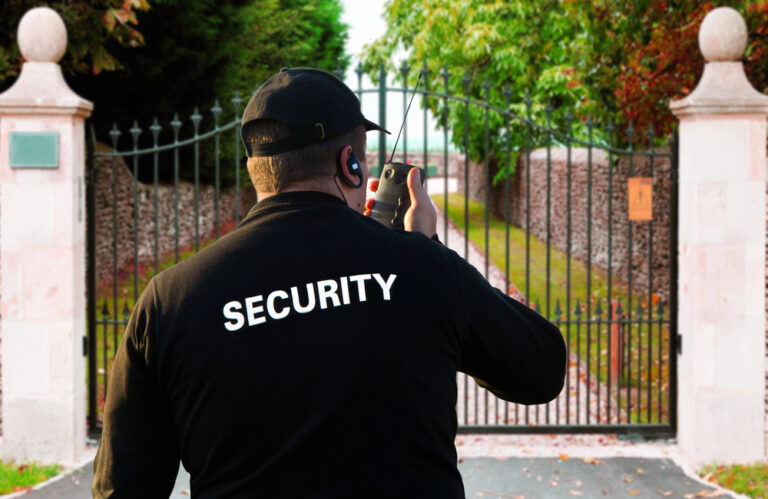
School and Campus Unarmed Security in Florida
Introduction
Finding reliable school and campus unarmed security in Florida’s largest cities requires a structured, well-informed approach. Whether you are responsible for a K–12 institution, a college campus, or a private academy, the goal is to identify providers who prioritize safety, professionalism, and compliance with state regulations. By focusing on the ten largest cities in Florida—Jacksonville, Miami, Tampa, Orlando, St. Petersburg, Hialeah, Port St. Lucie, Cape Coral, Tallahassee, and Fort Lauderdale—you can narrow your search to firms with strong local presence and proven experience in educational settings.
Understand state and local requirements
To begin, it is essential to understand Florida’s licensing requirements for unarmed security officers. The Florida Department of Agriculture and Consumer Services oversees security licensing, including the Class “D” license for security guards. Verifying that any officer assigned to your campus holds an active Class “D” license ensures they have met basic state training standards. Additionally, some counties and municipalities in major cities may set extra guidelines for school and campus operations, so checking local ordinances and school district policies is a critical early step.
Research local security firms in major cities
Once you know the legal framework, you can focus on identifying qualified firms in each of the ten largest cities. Start with online searches using city-specific terms such as “unarmed school security Jacksonville” or “campus security services Miami.” Then, review company websites for evidence of experience in educational environments, such as case studies, client lists, or descriptions of campus-specific protocols. In metropolitan areas like Tampa, Orlando, and Fort Lauderdale, prioritize firms that maintain local offices and demonstrate familiarity with nearby school districts and higher education institutions.
Evaluate training and service offerings
After generating a shortlist, evaluate how each provider trains its unarmed officers. For school and campus contexts, look for instruction in de-escalation, conflict resolution, access control, emergency response, and youth interaction. Ask detailed questions about continuing education requirements, supervision models, and communication procedures. In dense urban settings such as Miami or St. Petersburg, robust training in crowd management and incident reporting is especially important. Additionally, confirm that firms conduct thorough background checks and adhere to strict professional conduct standards suitable for working around minors.
Leverage local networks and partnerships
In cities like Hialeah, Port St. Lucie, Cape Coral, and Tallahassee, local networks offer valuable insight into vendor performance. Engage with school boards, charter school associations, higher education consortia, and law enforcement liaison programs to gather recommendations. Many districts maintain approved-vendor lists or can share lessons learned from previous contracts. Furthermore, partnering with nearby institutions—such as neighboring colleges in Orlando or public schools in Jacksonville—can help you benchmark service levels, negotiate better pricing, and coordinate regional safety initiatives.
Request proposals and conduct site assessments
When you have narrowed the field, request formal proposals that address your specific campus layout, student population, and risk profile. Invite providers to conduct on-site assessments and to outline post assignments, patrol routes, and communication protocols. In large cities, where campuses may be spread across multiple buildings or satellite locations, comprehensive site analysis is crucial. This collaborative evaluation helps ensure that unarmed security officers are positioned where they will be most effective.
Conclusion
Securing professional, unarmed school and campus security in Florida’s ten largest cities involves aligning state requirements, local expertise, and tailored services. By understanding regulatory standards, carefully vetting local providers, emphasizing robust training, and leveraging community networks, institutions can select partners who enhance safety without disrupting the educational environment. Ultimately, a methodical and collaborative approach supports a secure, welcoming campus where students and staff can focus on learning and growth.
[unarmedsecurityguardservicecom-ai instructions=”please write a seo optimized faq for the topic in the unarmed security guard service space” content_type=”faq” limit=”250″ language=”en” temperature=”1″ top_p=”1″ ignore_errors=”0″]School and Campus Unarmed Security[/unarmedsecurityguardservicecom-ai]